The Grocery Store Isn't a Meet and Greet: Rethinking the Price of a Familiar Face
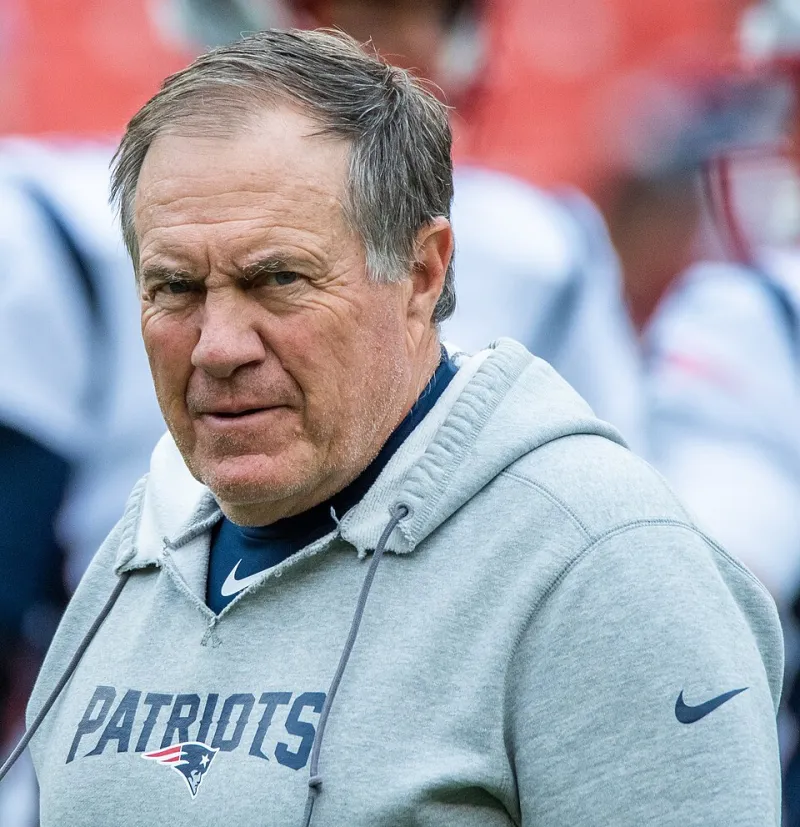
Photo: AlexanderJonesi, CC BY-SA 2.0, via Wikimedia Commons
The Errand That Turned Into a Shift
There's a specific kind of exhaustion that comes from standing in the cereal aisle at 8 a.m., hair in a bun, no makeup, holding a box of off-brand shreddies, when someone taps your shoulder and asks for a picture. Not because fans are the enemy — most people are genuinely kind. But because in that moment, you were a person buying groceries, and then suddenly you were on the clock.
Nobody hands you a schedule for this. There's no onboarding doc that explains what happens after a certain number of people can pick your face out of a crowd. You just wake up one day and realize that every public space has become a potential appearance. The airport. The coffee shop. Your nephew's birthday party at a pizza place in the suburbs.
The strange part is that most of us never consciously agreed to it.
How Default Availability Became the Norm
Somewhere along the way, the industry settled on an unwritten rule: if someone recognizes you, you owe them a moment. Creators who decline get clipped, screenshotted, and turned into a TikTok titled something like "celebrity refuses to say hi to fan." The reputational risk of a two-second refusal feels bigger than the cost of a hundred small invasions, so almost everyone pays the toll.
And the toll adds up. It's not the individual handshake — it's the permanent low-grade surveillance of knowing you're never fully off duty. Psychologists have a term for the labor of managing how you're perceived: emotional labor. When you're a known face, that labor follows you into the pharmacy line and the school pickup lane.
Here's the thing, though. Actors on a studio lot have call times. Athletes have media days. Creators invented a job where the workplace is the entire physical world, and then forgot to negotiate the terms.
You're Allowed to Have a Policy
The creators who last aren't the ones who say yes to everyone. They're the ones who decided — ahead of time, calmly, not in the heat of an awkward encounter — what they give and what they keep.
A few approaches that actually work:
- The warm redirect. "I'm not doing photos right now, but I appreciate you saying hi" takes four seconds and denies nobody's story its villain.
- The context rule. Some creators engage everywhere except specific zones — their kid's school, funerals, hospitals, the gym. Pick your no-go zones and hold them.
- The energy audit. If you've got the capacity that day, lean in. If you're running on empty, a genuine "today's a rough one, but thank you" costs you less than a resentful photo that ends up online anyway.
The point isn't to become cold. It's to stop making the decision from scratch every single time, in front of an audience, with your reputation on the line. Policies made in advance are boundaries. Policies made on the spot are panic.
The Math Nobody Runs
If a creator gets stopped ten times a week and gives each encounter five minutes of performance energy, that's nearly a full workday a month spent in unpaid, unplanned public relations. No creator would accept a brand asking for a free day of appearances every month with zero notice. But because the ask comes from individuals — nice ones, usually — we treat it as invisible overhead.
It's not invisible. It shows up as burnout, as agoraphobia-adjacent avoidance of public places, as the slow shrinking of your life to your living room. Some of the most reclusive creators you can think of didn't start out that way. They ran out of toll money.
Owning It Without Apologizing for Existing
There's a middle path between "always accessible" and "wearing sunglasses indoors." It starts with accepting a slightly uncomfortable truth: being recognized is a privilege that came with your career, but being endlessly available is not a legal requirement that came with it.
You can love your audience and still have a self that doesn't perform. You can take the photo when you want to and decline when you don't, and the people worth keeping around — fans and friends alike — will understand that the person they're excited about still needs to buy cereal in peace.
The handshake economy runs on creators never doing the math. Do the math.