Being 'Yourself' Is Starting to Feel Like a Second Shift
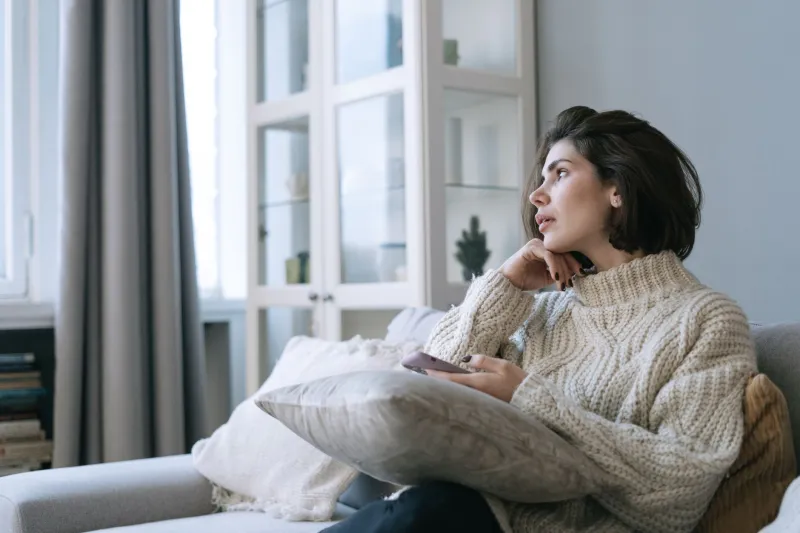
There's a specific kind of tired nobody really prepares you for. Not the tired that comes from a long shoot or a packed travel schedule — that stuff is almost easy to explain. I mean the other kind. The kind where you wake up, reach for your phone before your eyes have fully adjusted to the light, and immediately start calculating what version of yourself the day is going to require.
That's the exhaustion nobody mentions. And honestly, it took me a while to even name it.
When Transparency Becomes a Deliverable
Somewhere along the way, being open became an expectation rather than a choice. The audience grows, the engagement climbs, and the feedback loop tells you that your realness — your actual life, thoughts, and messy middle moments — is what's working. So you keep going. You share more. You make the behind-the-scenes content. You answer the DMs that feel personal. You post on the hard days because people say it helps them feel less alone.
And it does help them. That part is genuinely true and genuinely good.
But here's what nobody talks about: when your personality becomes the product, being yourself stops being free. It becomes labor. Every genuine emotion gets filtered through a second layer of thought — is this shareable? Is this on-brand? Is this the right time to be vulnerable or does this make me look unstable? — before it even fully processes as a human feeling.
That filtering is exhausting in a way that's hard to articulate because it doesn't look like work from the outside. It just looks like living your life.
The Always-On Problem
There's a concept in hospitality called "emotional labor" — the idea that certain jobs require you to manage your feelings as part of the job description. Smile when you don't feel like smiling. Stay calm when someone is being unreasonable. Project warmth even when you're running on empty.
Being a public figure — especially in the creator or influencer space — is emotional labor at scale. Except most people in this world never signed an explicit contract acknowledging that. It just kind of... happened. The audience showed up, the platform rewarded consistency, and suddenly you were on the clock in a way that had no clear off switch.
And the tricky part? The audience didn't do anything wrong. They're not extracting from you maliciously. They're just showing up for what you built and hoping you'll keep building it. The pressure isn't coming from a bad place. It's coming from connection — which somehow makes it harder to push back against.
The Irony of Performing Realness
Here's the part that genuinely messes with your head after a while: the more you commit to authenticity as your whole thing, the more pressure there is to be authentically interesting, authentically consistent, and authentically on — even when you have nothing left.
You end up in this weird spot where being real starts to require a lot of rehearsal. You're not lying, exactly. But you're also not just living. You're living with one eye on how the living is going to translate. And that split attention, over time, takes something from you.
I've talked to enough people in this space to know I'm not alone in this. There's a specific moment a lot of us hit — usually somewhere between the milestone we worked toward and the next one we're already supposed to be chasing — where we look around and realize we can't actually remember the last time we had a feeling that wasn't immediately assessed for its content potential.
That's not a small thing.
What Actually Gets Drained
It's not creativity, exactly. Or at least not first. What goes first is something quieter — the private interior life that used to just exist without needing to do anything. The thoughts you had that belonged only to you. The experiences you moved through without documenting. The version of yourself that wasn't performing, even a little.
When all of that gets slowly folded into the content ecosystem, you start running low on the raw material that made you interesting in the first place. The authenticity that the audience came for was generated by a person who had space to just be — and that space has a way of quietly disappearing when being yourself becomes a full-time job.
This isn't a criticism of the audience, or of the platforms, or even of the whole creator economy model. It's just an honest look at what the math actually costs when you're the one doing it every single day.
So What Do You Do With That
I don't have a clean answer here, and I'd be suspicious of anyone who does. What I've been sitting with lately is the idea that protecting the private parts of your life isn't the same as being fake. It's actually closer to the opposite — it's preserving the source material. It's keeping something for yourself so that what you do share still comes from a real place rather than a depleted one.
Pulling back a little, taking the longer pauses, saying less on the days when saying something would just be saying something — that's not letting people down. That's keeping yourself intact enough to actually show up.
The exhaustion that comes from maintaining authenticity at scale is real. It's not glamorous enough to complain about publicly, which is part of what makes it so sneaky. But naming it, at least to yourself, is probably the first step toward not letting it quietly hollow you out.
Because the whole point — or at least the point it started with — was connection. And you can't connect from empty.